

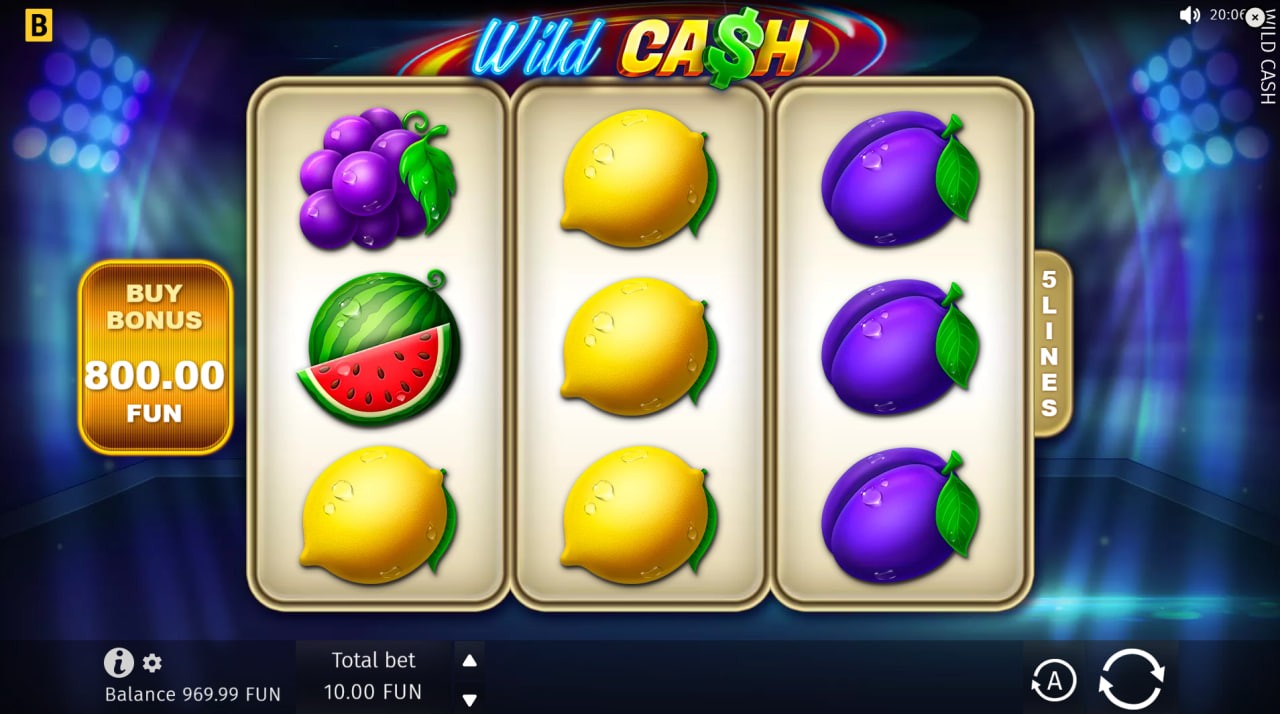





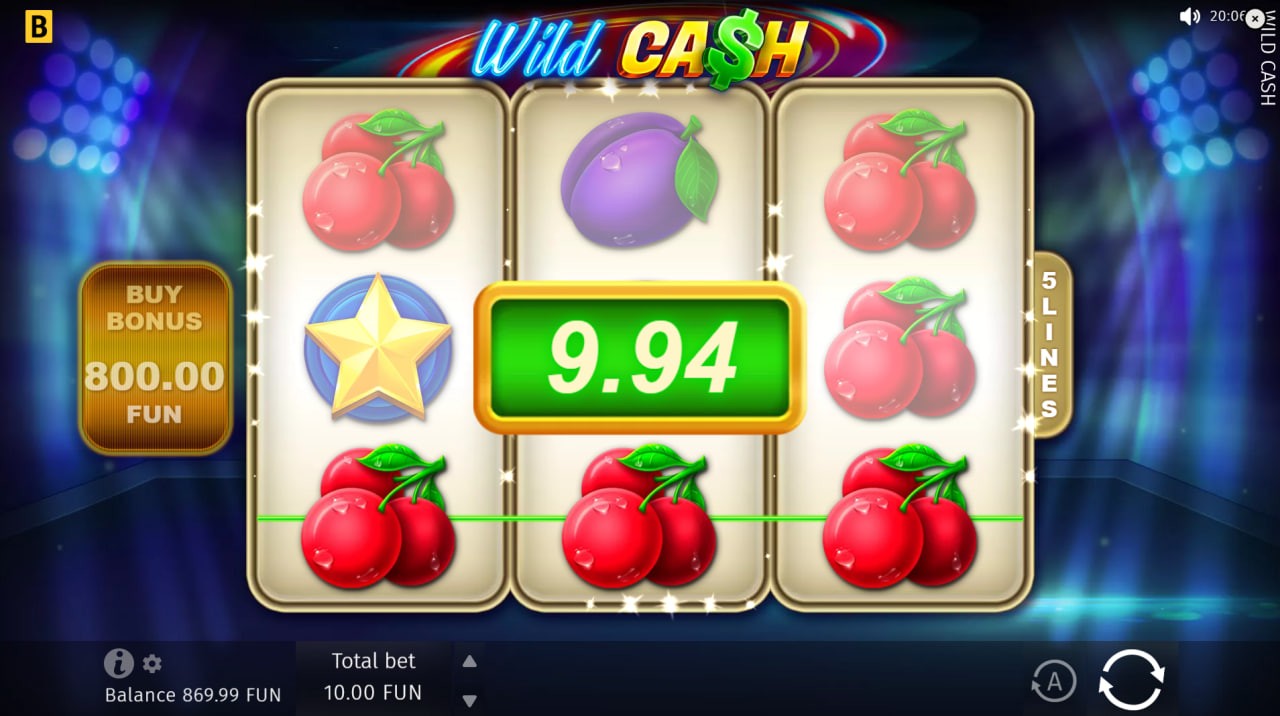
Try Wild Cash Demo In Denmark
Try the slot machine in demo mode, practice buttons and stakes, and set limits from the start - only for 18+ in Denmark.
How to Use Wild Cash Slot Demo Without Stress
Demo mode is essentially a training ground: you get to click, test, and make mistakes without each decision costing money. In Denmark, this makes particular sense if you want an overview of the pace before even thinking about making a deposit. Imagine sitting on the couch on a weekday evening, wanting to play for just five minutes. When you start in trial format, you can stop as easily as you started, and you learn the rhythm of the game before it becomes a habit.
Start by looking at the screen as a control panel. Where do you change your bet? Where do you choose the number of lines or coins, if available? What happens when you press auto-spins? Play a couple of short rounds and deliberately change the bet level between each round so you feel the difference in your balance's movement. This makes it easier to choose a calm level later if you decide to proceed.
Keep the pace down with a simple trick: set a mental rule that you always finish reading a message on the screen before spinning again. Many players click past small pieces of information and then get surprised when a feature suddenly changes the game's flow. If you learn to keep up with text and icons from the start, you'll have fewer "what happened?" moments.
Finally: use the trial format to check if the game suits you. Do you like the sound level? Do animations annoy you? Does it feel easy to control on mobile? If the answer is no, then discovering that early is actually a win.
All promotional incentive structure is clearly stated in writing and/or via electronic means in an easily understood manner. All codes are accompanied by an explanation of what the code is for, who is eligible to use the code, and how it should be used. As such, players are less likely to be confused about what is required of them in order to receive a reward and how the reward will be applied after receiving it. The promotional incentives provided to participants provide them with time to become familiar with the gaming system's mechanics, their interface, and progress, before deciding how deeply they wish to become involved with this platform. Therefore, players are encouraged to participate in an informed manner, rather than being pressured or tempted to act quickly.
Why Trial Play Leads to Better Decisions
The biggest problem with slots is rarely the rules – it's the pace and expectation. When you play for free, you can focus on the process instead of the outcome: you practice choosing bets, taking breaks, and understanding features. Imagine you've had a long day and want to unwind. In that situation, it's easy to press too quickly if you're playing with money, but in training format, you can keep a cool head and feel what's driving you.
Use the trial format to find your own stop signals. Do you get restless after 20 spins? Do you feel like increasing your bet when you're down? Make a mental note of it. It sounds trivial, but these kinds of observations are precisely what separates a controlled session from an impulsive one.
It also helps with expectation management. Many expect a slot machine to "owe" a win after a long quiet period. In practice, it doesn't work that way. When you play without risk, you can practice accepting the variation without letting emotions dictate your next click.
And then there's the comfort: you can test the game in Denmark on the devices you actually use – mobile, tablet, or computer – and see if the buttons are placed correctly and if the screen is comfortable to look at for extended periods.
From Overview to Routine Before You Play
A good session starts long before you press spin. Think of it as preparing for a short activity: you set boundaries, choose a time, and ensure you can stop without friction. If you normally lose track of time, plan a "stop-in-10-minutes" break from the very beginning. Imagine you're waiting for a package or a delivery – you'll want to be able to put your phone down immediately when you need to move on.
Create Account and Choose Training Format First
If you choose to create an account, do so in a calm moment, not in the middle of a session. This is typically where you'll need to confirm information and set up security for your access. Imagine you're in a queue and want to start quickly, but you're missing a single verification step. Suddenly, you're spending time fixing access instead of playing calmly, and the irritation might make you click faster afterward.
Choose the training format if the platform offers it, and use it actively for at least a couple of short sessions. Set a clear intention: "Today, I'm only testing buttons and pace." When you do that, the trial format becomes a tool – not just a free version you click out of after 30 seconds.
Check Simple Settings That Make You Calm
Settings sound boring, but they are your shortcut to control. Look for options like session timers, time notifications, or an overview of game activity. Imagine you're playing just before bedtime. A small reminder after 15-20 minutes can be the difference between "a quick look" and "where did the time go?".
Also, ensure your access is secure. Use a unique password and enable extra verification if offered. This isn't about paranoia, but about preventing others from gaining access to your account.
Set Personal Limits Before You Increase
Limits are not a moral exercise – they are a practical button. Set a cap for how much you want to spend per day or week, and a cap for how long you want to play at a time. If you're not ready for deposits, you can still practice limits by keeping your trial sessions short and predictable.
Make it concrete: choose a number, choose a time, and stick to it. When you break the rule, stop and ask yourself why. This is where you learn the most about your habits.
Use Timeout And Self-Exclusion When Appropriate
Timeout and self-exclusion are tools, not shame. If you feel that you are playing to escape something, then a break can be the most effective choice. Imagine that you lose concentration and start playing on autopilot. In that situation, it helps more to stop for a period than to promise yourself that "I'll just stay a little longer".
If you are in Denmark, it is especially important to respect the 18+ age limit and only use services that you legally have access to. Always check your own limits and local rules.
|
Focus Point |
What You Do In Practice |
Why It Helps |
Typical Choice You Can Start With |
|
Session Length |
Set a timer on your phone before you start |
Make stopping easy, before the pace takes over |
10-20 minutes per session |
|
Bet Level |
Stick to a low level, and only change after a break |
Reduces impulsive jumps |
Small steps instead of big leaps |
|
Auto-spins |
Turn it off at the start, and use manual spins |
You follow features better |
Manually in the first sessions |
|
Notifications |
Activate reminders about time or activity |
Helps if you lose track of time |
Reminder after 15 minutes |
|
Breaks |
Plan a fixed break after a certain number of spins |
Breaks the pattern and slows the pace |
Break after 30-50 spins |
|
Support |
Save where you find help and safety options |
Less stress if something goes wrong |
Find "help" and "account" first |
Play On Mobile In 2026 Without Irritation
Mobile has become standard, but that doesn't mean the experience is the same for everyone. Screen size, network connection, and notifications can change a session from relaxed to messy. Imagine you're playing on the train and the signal drops. If the game freezes mid-round, you might be tempted to click faster or restart - and then you lose track.
Use Mobile Browser With Focus On Stability
Start on a stable connection, especially if you are testing features. Close other heavy apps, and turn off "power saving" if it darkens the screen or delays input. Imagine you've just had five minutes of peace, but the screen reacts slowly, so you tap twice and feel cheated. This is typically where the pace picks up because you're trying to "catch up" with the delay that annoys you.
If you play during short breaks, make it a habit to completely close the game when you stop. This reduces the risk of "just checking one more time" and extending the session.
Get To Know The Buttons With The Thumb Test
On mobile, you often control with one hand. Therefore, try a thumb test: can you change your bet, open settings, and stop auto-features without changing your grip? If not, use the demo format to find a more comfortable way to hold the phone, or play on a larger screen.
Imagine lying in bed wanting to play calmly. If you have to stretch your finger and hit the wrong button, you quickly become annoyed - and irritation is a strange driving force in games. The goal is friction down, not up.
Avoid Notification Traps And Take Breaks
Notifications can pull you out of a session, but they can also lure you back in. Turn off promotional notifications if possible, and only keep those related to security or your own limits. Imagine you put your phone down, but a ping comes in, and you open it again without thinking. That small return can turn a short break into a long session if you don't have a stop rule.
When playing in Denmark, also consider your surroundings. If you are with others, you can easily play longer than planned because you are "just waiting" for something. It is often better to play for a defined period and then be done.
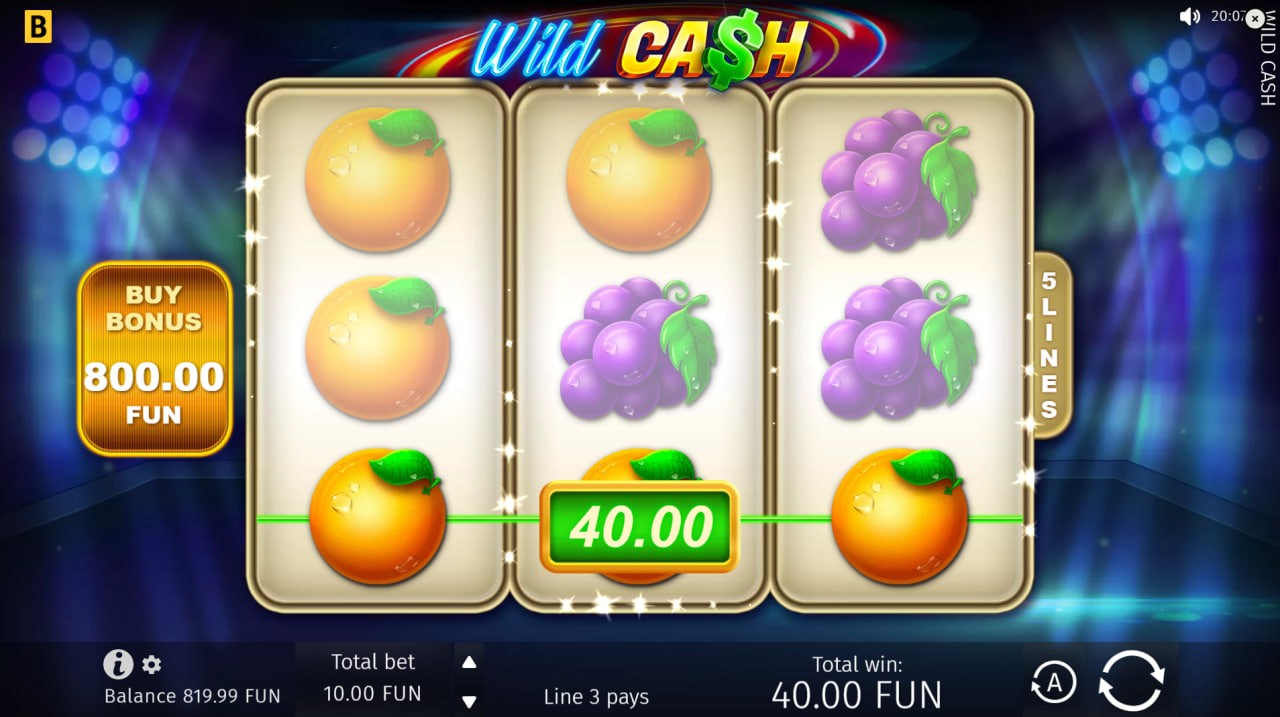
When You Go From Practice To Deposit
The shift from free to real money should feel boring and controlled. If you feel excitement or haste, it's a signal to take a step back. Imagine you've just had a good round in the demo format and you think: "now I want it to count." That thought can be completely normal, but it can also be the starting point for speeding up too quickly.
Create A Budget That Suits Your Everyday Life
Start with an amount you can afford to lose and make it a fixed framework – not something you negotiate with along the way. Divide it: how much is for entertainment per week, and how much is for everything else? Imagine you want to "fix" a boring day with a few quick rounds, but you haven't decided on a limit. Then it becomes easy to push the boundary again and again because each decision feels small in the moment.
Choose a stake that allows your session to last at a calm pace. Many players quickly go through a budget because they want to feel "more." Here's a small question in the middle of a session: would you rather have 10 intense minutes or 30 calm ones?
Know the Practical Steps for Withdrawal
Withdrawal often involves identity checks and method selection. This may mean you need to verify information before you can withdraw money. Imagine you want to withdraw late on a Friday evening. If you're not prepared, waiting times and extra requirements can feel like an annoyance, and annoyance can lead to bad choices, such as continuing to play instead of stopping.
Therefore, do the boring stuff first: keep your information updated, and save your receipts or confirmations if you receive them.
Read Bonus Rules Like a Mini-Contract
Bonuses may sound like free value, but they almost always come with conditions. Read them like a mini-contract: what should you do, what should you not do, and when does the offer expire? If you don't understand it in 60 seconds, it's often a sign that you should either read it again or skip it.
Imagine you take a bonus and suddenly change your plan for stakes and time. If it makes you play longer than you intended, the bonus has already "cost" you something - your time and your focus.
Use Support As Part of Your Safety
Support is not just for errors. Use it also to find safety features, limits, and breaks. Imagine you're unsure about a setting, and you continue anyway "to see what happens." That uncertainty can lead you to make quick choices, so it's often better to stop and get clarity first.
A simple pattern: if something makes you unsure, stop the game, find the help section, and get answers before continuing. In Denmark, 18+ and responsibility are a fixed framework - even on days when you feel extra impulsive.
Typical Errors and Quick Solutions
Most problems are about habits, not technology. People play too long, change stakes without a plan, or ignore breaks. Imagine you start calmly, but after five minutes you begin chasing a specific feature because you "almost" hit it. That's precisely where a small routine can save you.
A Short Checklist Before Contacting Help
Start with the simple: reload the game, check sound and graphics, and see if your connection is stable. Imagine the screen is glitching, and you immediately think you've lost something. Take two deep breaths, close the game, and try again after a couple of minutes before clicking in a panic.
If something still feels wrong, stop and wait two minutes before trying again. That pause sounds insignificant, but it interrupts the impulse that might otherwise make you click faster and faster.
Also check your own limits. If you're frustrated, it might not be a technical error, but an emotion pushing you further. A good sign of control is being able to close the app or browser without hesitation.
FAQ
How do I know if I should play with money?
A good sign is that you can describe your plan in one sentence: how long you play, what you spend at most, and when you stop, even if things are going well.
What is the calmest way to start?
Start in a trial format, play short sessions, and use manual spins, so you learn the pace and can read messages on the screen without stress.
Why does it sometimes feel like the game is "luring" me on?
It's often the combination of quick rounds, sounds, and small near-misses. When you recognize the pattern, you can slow down, take a break, and choose to stop before it takes over.
What do I do if I lose track of time?
Set a timer, plan a break, and completely close the game when you stop. Many linger because the game is already open, so make the ending frictionless.
Can I set limits without ruining the experience?
Yes, limits often make the experience better because you avoid negotiating with yourself along the way. Once the boundaries are set, you can focus on entertainment.
When does it make sense to use timeout or self-exclusion?
When you play to escape stress, or when you repeat the same pattern even after breaks. A planned break can be the fastest way back to control.